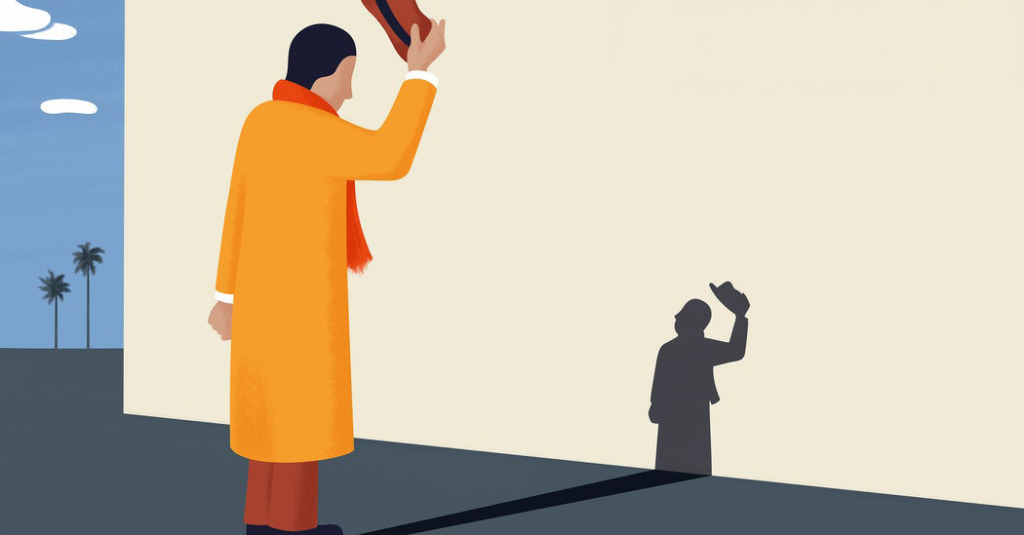
Moving to Australia and diving into the world of sales taught me a lesson my formal education never could. In a place where people walk barefoot and value raw honesty, my natural inclination to be delicate and humble was put to the test. I quickly learned that in this environment, my ‘politeness’ was being mistaken for insecurity.
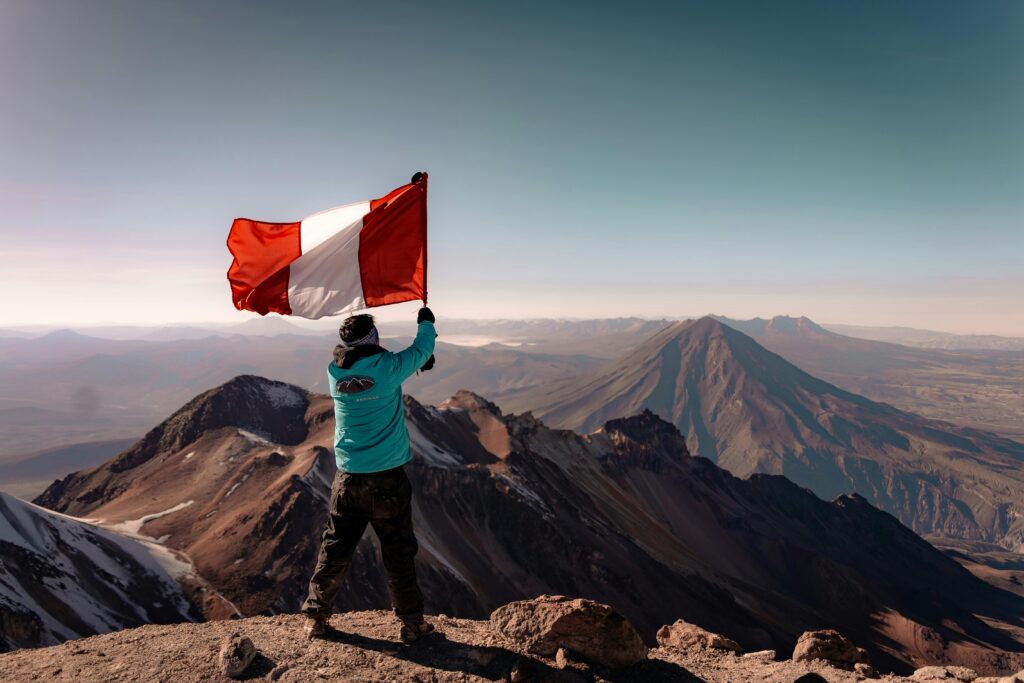
I am from Perú, and sometimes I think about the weight we Peruvians carry without even realising it. We grew up with a “humility” that, at its core, is a form of extreme—almost invisible—respect. We are the people of “please”, the “sorry to bother you” crowd, the ones who wait to be invited in before we step forward. In my work at the kiosk, that part of me shines once someone is already there: I’m bubbly, I talk, I connect. In that space, I’m the host. But the struggle starts when I have to leave my safe zone to hand out flyers and pull people in. That’s where my culture and the reality of Australia collide head-on.
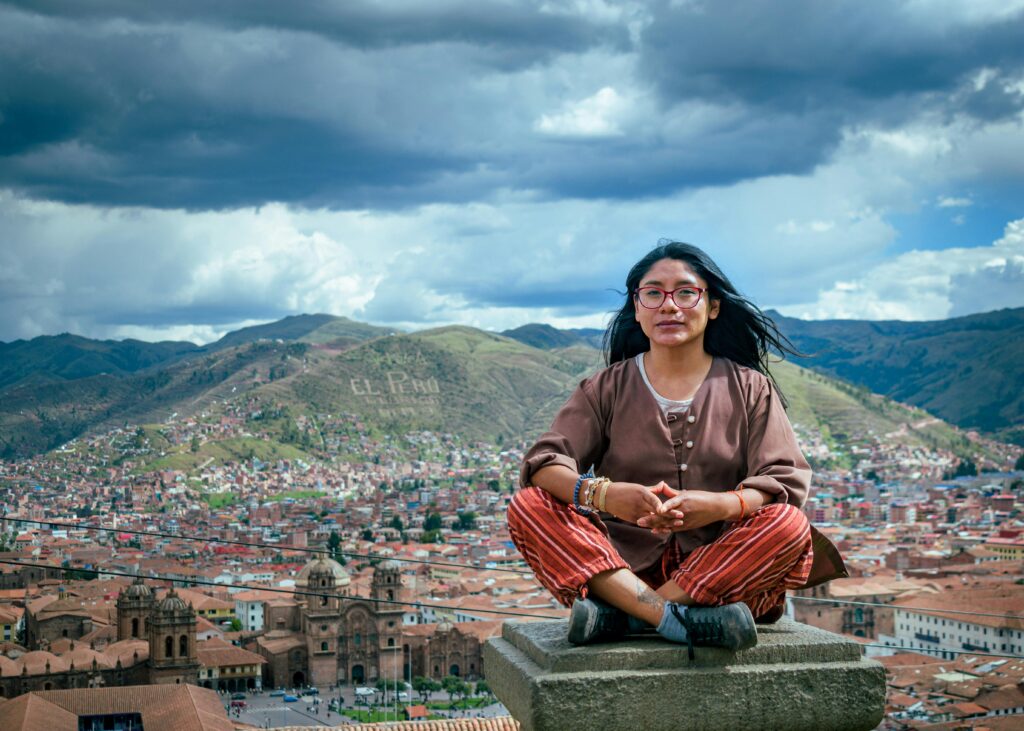
Here, people walk around barefoot; they live without filters. They are “wild.” At first, that ruggedness intimidated me. I felt hyper-polite, almost fragile, trying my best not to invade anyone’s space. But I realized something crucial: my excess of courtesy is read as insecurity.
When I approach with too much delicacy, as if I’m apologizing for existing, the other person feels like I’m going to waste their time or that I’m not confident in what I’m offering. On the other hand, I’ve started to understand that being “rougher”—or rather, being direct—is actually what makes an Australian customer feel secure. To them, clarity is honesty. If I am firm, if I stop beating around the bush and speak with authority, they relax.
I’ve had to learn how to “toughen up” my language and my posture. Before, if someone told me “do this,” I would run to do it because of that cultural submissiveness we carry in our DNA. Not anymore. Now I set boundaries: “No, listen to me first, we need to do this and that.” I’ve gone from being the delicate girl who avoids conflict to someone who understands that taking up space isn’t “bothering” people—it’s having presence.
It’s not that I’ve stopped being humble; it’s that I’ve understood that magnetism doesn’t come from asking for forgiveness, but from authenticity. Sometimes, to get people to trust you, you have to stop being the person waiting at the door and become the one inviting them in without hesitation. Maybe being a bit more “wild” and less “perfect” is, ultimately, the key to truly connecting on this side of the world.